Every year more than a million wildebeest, with hundreds of thousands of zebras and gazelles, follow the rain in a loop between Tanzania's Serengeti and Kenya's Maasai Mara. For a few months, the Mara is the busiest wildlife stage on Earth.
The Maasai Mara National Reserve (often spelled Masai Mara) covers about 1,500 square kilometres of open grassland in Narok County, in south-west Kenya. It sits on the northern edge of the Serengeti, and the herds cross the border without stopping at any gate.
The migration, month by month
No two years are the same, because the herds follow the rain and the fresh grass. As a rough guide:
January to March. The herds are far south in the Serengeti, where the calves are born. The Mara is quiet, green and good value for resident wildlife.
April to June. The long rains move the herds west and north through Tanzania. Some Mara roads get muddy and a few camps close.
July. The first big herds arrive in the Mara, usually from the middle of the month. River crossings start.
August and September. The peak. The plains are full and crossings of the Mara and Talek rivers can happen several times a day, though you may also wait hours at the bank for nothing.
October. The herds start drifting back south. Crossings still happen, with fewer vehicles around.
November and December. The short rains pull the herds back to the Serengeti, ready to start again.
Reserve or conservancy?
The national reserve has the famous river crossing points. The private conservancies on its northern and eastern edge, such as Mara North, Olare Motorogi and Mara Naboisho, limit the number of vehicles, and allow walking safaris and night drives. Many visitors stay in a conservancy and spend a day in the reserve for the river.
How many days in the Masai Mara?
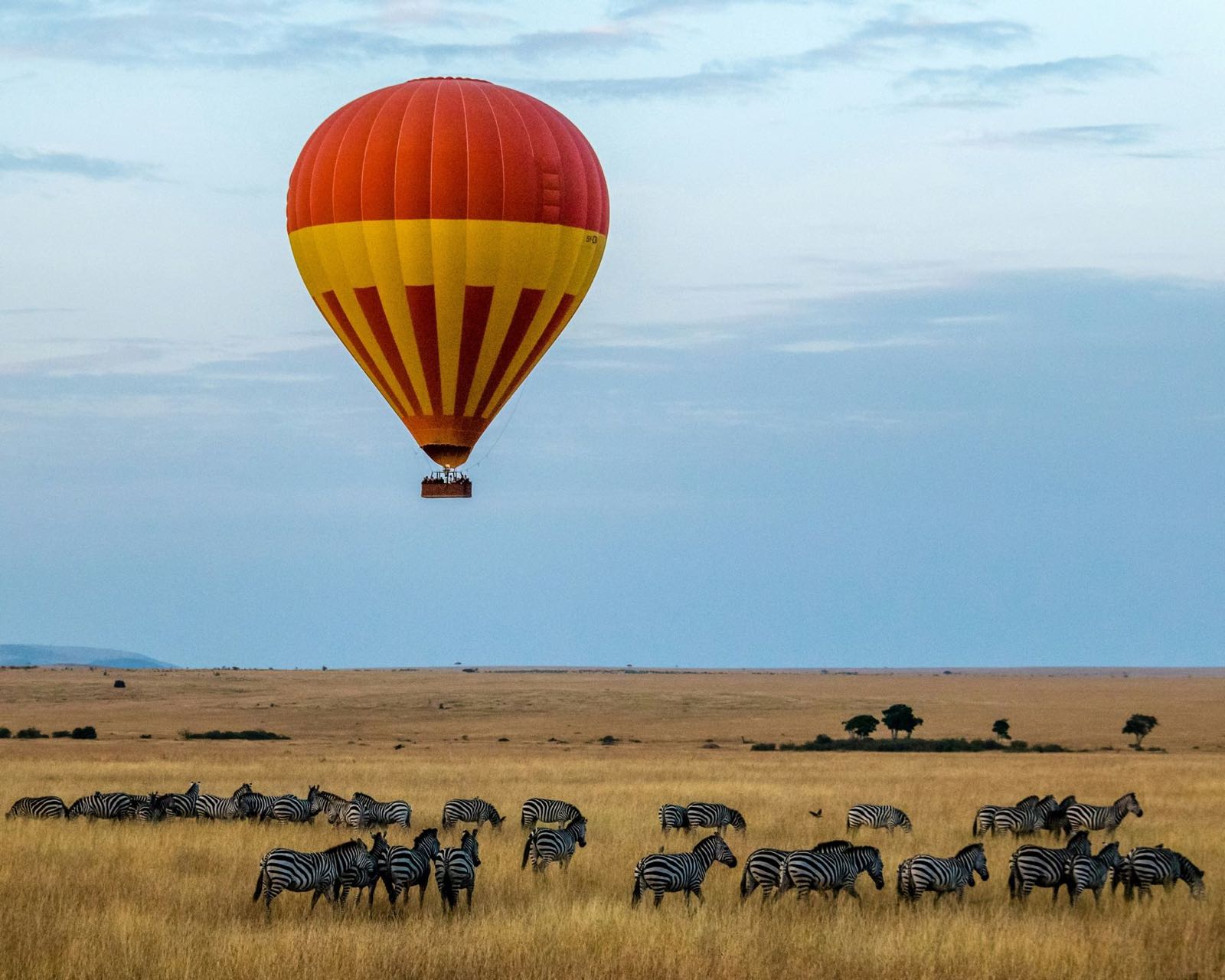
Three nights is the sweet spot: enough for two full days of game drives and a good chance of a crossing in season. Two nights works if you fly. With four or more, add a conservancy walk or a balloon flight at dawn.
Getting there from Nairobi
By road it is about 225 to 270 km, depending on your gate, through Mai Mahiu and Narok. Allow five to six hours with a stop at the Great Rift Valley viewpoint and lunch in Narok. The road is now tarmac almost all the way to the main gates; inside the reserve, game drives are on dirt tracks in your camp's 4x4. Light aircraft also fly from Wilson Airport in about an hour.
Quick questions
When is the best time to see the Great Migration in the Masai Mara?
August and September are the most reliable months for big herds and river crossings, with July and October on either side. Crossings are never guaranteed, so give yourself at least two full days.
How far is the Masai Mara from Nairobi?
About 225 to 270 km depending on your gate, or five to six hours by road via Narok. Flights from Wilson Airport take about an hour.
How many days do you need in the Masai Mara?
Three nights gives you two full days of game drives, which is ideal. Two nights is enough if you fly in.
Is the Masai Mara worth visiting outside migration season?
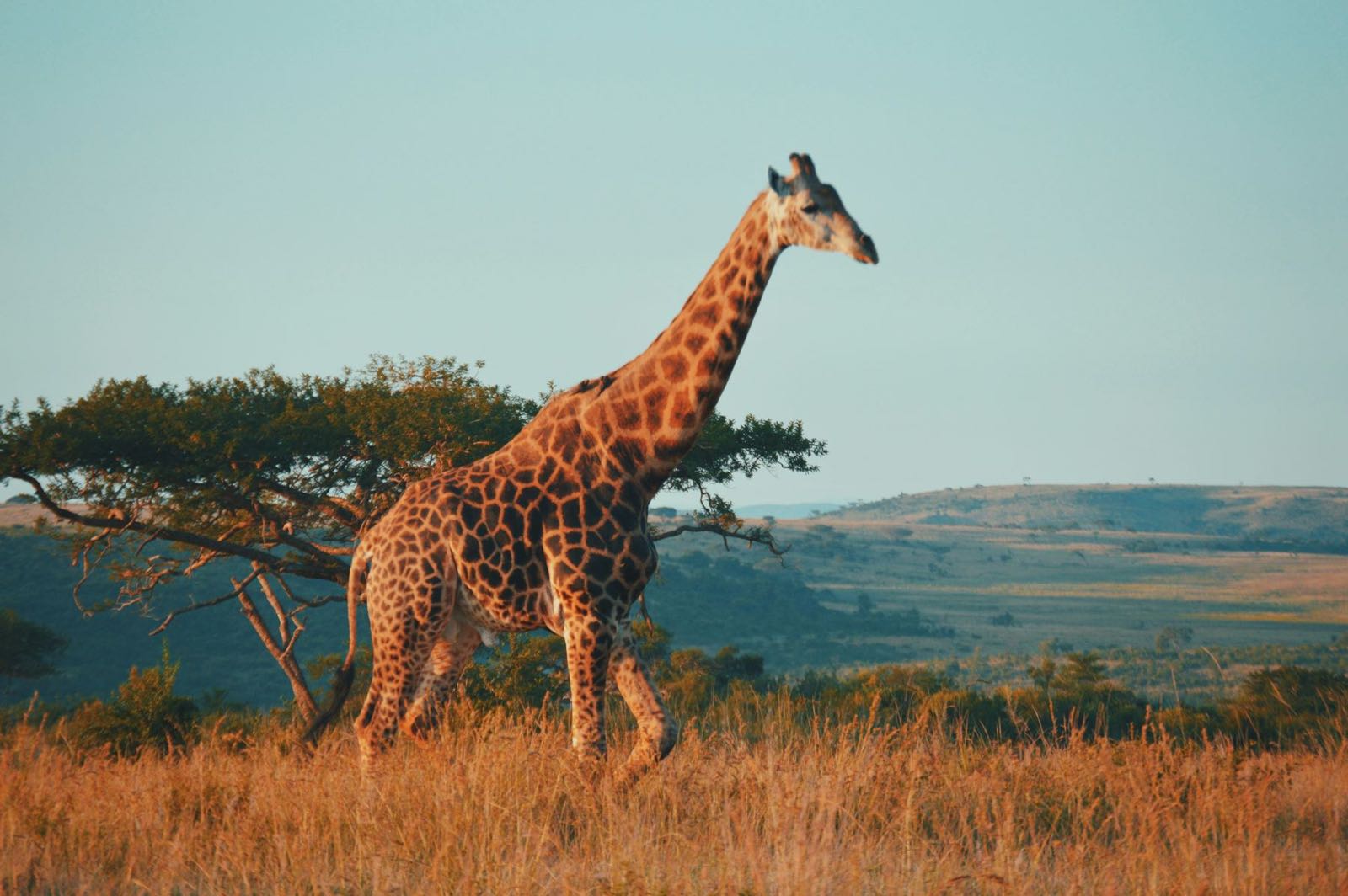
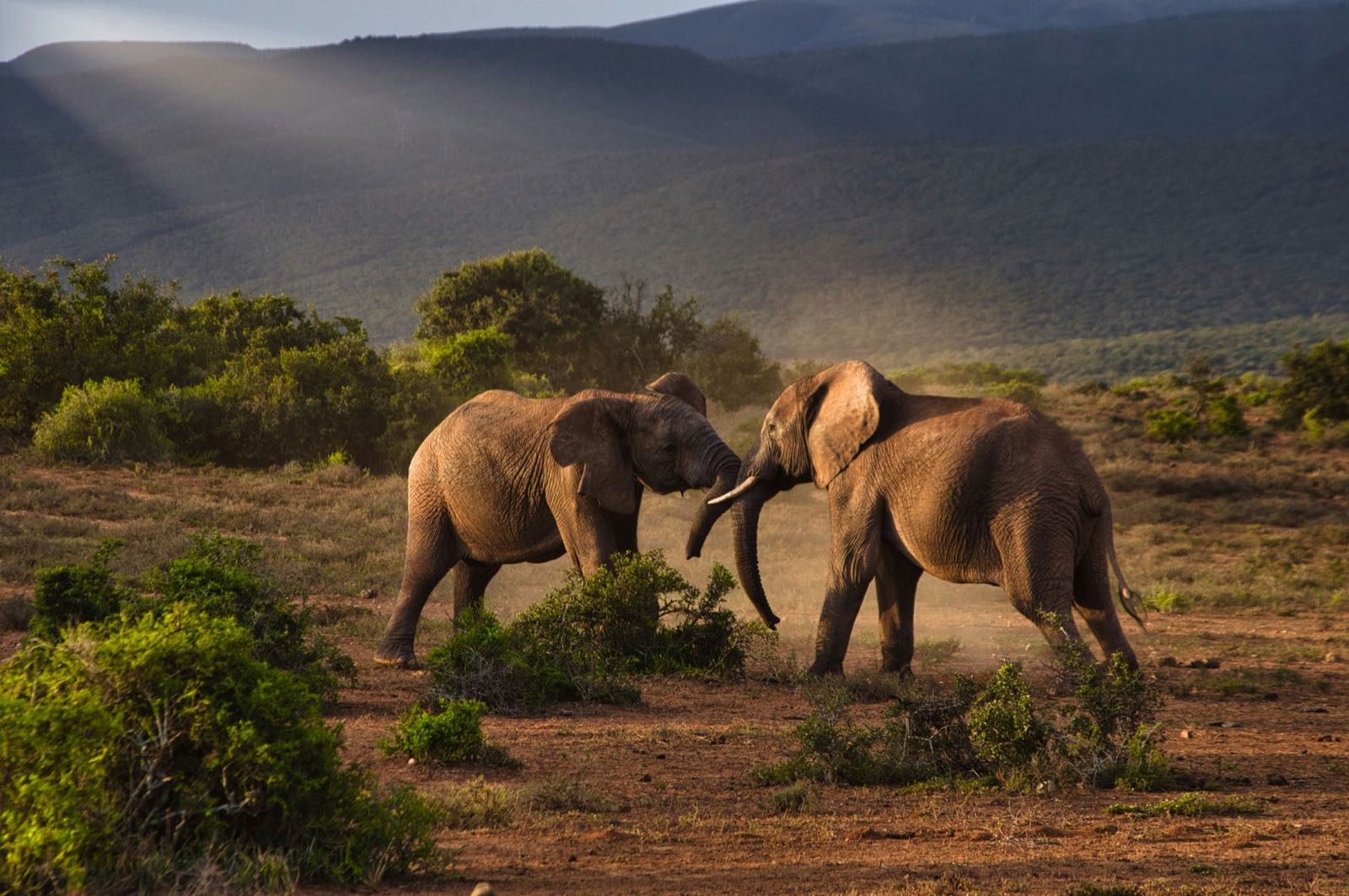
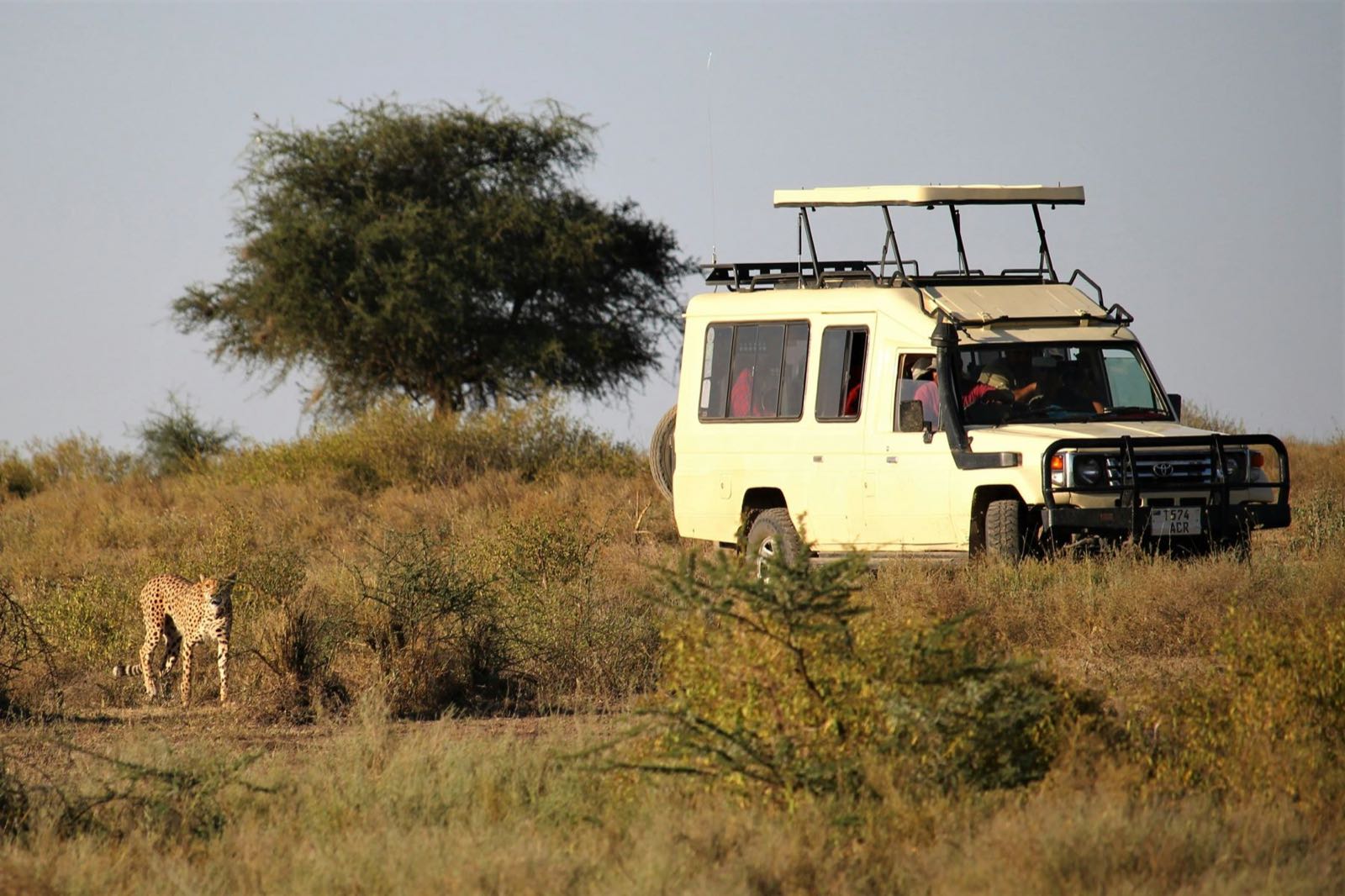
Yes. Lions, cheetahs, elephants and giraffes live in the Mara all year, and the green season has fewer vehicles.
Heading to the Mara?
We'll drive you there.
From Nairobi or JKIA to the Maasai Mara, with a local chauffeur who knows the road.
Book a ride